
Cultural Attractions
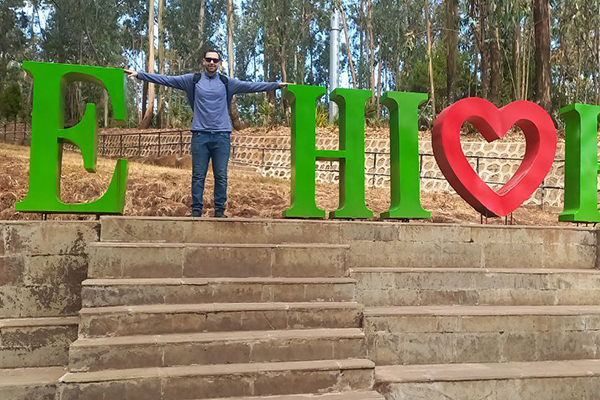
Addis Ababa
Home to the headquarters of the African Union, the third largest United Nations population, and with representation from nearly every foreign embassy from around the world, Addis Ababa is often referred to as the political capital of Africa. Addis Ababa is the world’s third-highest capital city at 2’665 meters above sea level and home to approximately 3.5 million people. Sitting atop the highlands next to the Great Rift Valley, the city sprawls over more than 200 square miles, housing a startling variety of historical and cultural attractions. And, if you want to get out, there are the massive Entoto Mountains to explore right above Addis Ababa. Within the city center, Addis Ababa boasts monumental architecture and all of the grandeur that can be expected from any national capital. Great churches, mosques, and museums offer respite, solace, education, and inspiration to travelers from around the world.
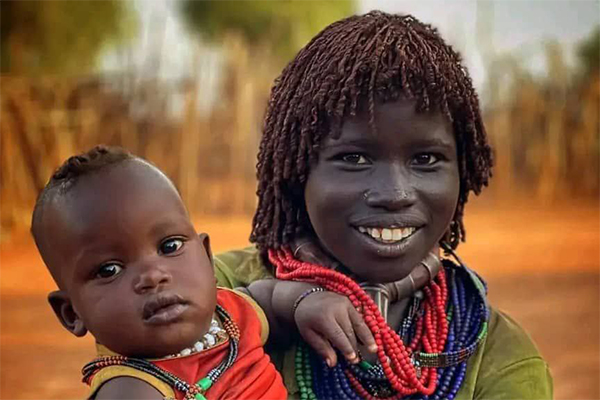
Omo Valley
A visit to the Omo Valley is ideal for those looking to explore and understand Ethiopia’s cultural diversity. Some of the country’s most ancient and colourful ethnic traditions can be observed here. There’s the elaborate body painting of many tribes, the clay plates in the ears and lips of the Mursi women, the ritual singing and dancing of the Arbore tribe, and the breathtaking bull-jumping spectacle of the Hamar people. The Omo Valley is situated within the immense Great Rift Valley, rich in fertile lands and wildlife. While accommodation in this area is on the rustic side, it’s perfectly situated to give you the rich opportunity to gain an insight into the lives of the local people. Tourism in this area has been criticised in the past for contributing to a kind of ‘human zoo’. Our guided visits here place a clear emphasis on authenticity and cultural sensitivity.
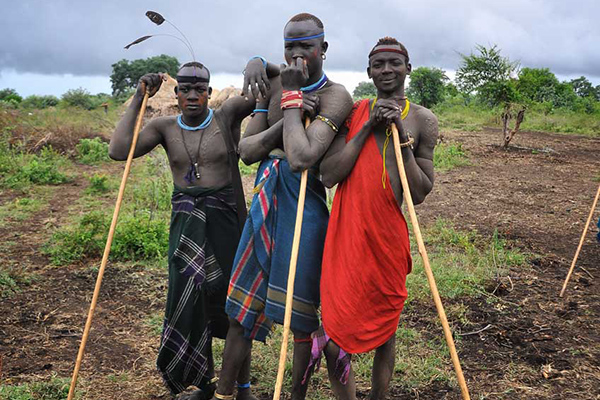
Mursi Tribe
The Mursi people, numbering around 5,000, are primarily pastoralists and belong to the Nilo-Saharan language family. They inhabit one of Ethiopia’s most remote regions, nestled between the Omo River and its tributary, the Mago, surrounded by rugged mountains. Renowned for their distinctive lip plate tradition, Mursi women undergo a unique rite of passage before marriage. The lower lip is pierced and gradually stretched over a year, with increasingly larger clay discs inserted to expand the opening. Eventually, the looped lip can grow so large that it can be pulled over the wearer’s head. The size of the lip plate plays a crucial role in determining a woman’s bride price, with larger plates often securing up to fifty head of cattle. These plates, handcrafted by the women themselves, are made from clay, decorated with ochre and charcoal, and fired to harden them.
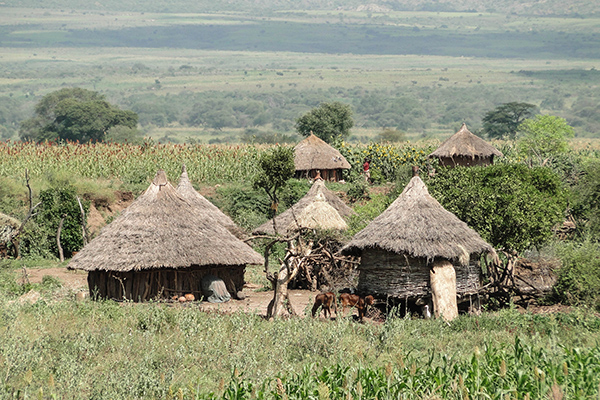
Konso Village
Konso, named after the Konso people, is famous for its religious traditions, waga sculptures, and fossil beds of early hominids. Recognized for its cultural significance, it became a UNESCO World Heritage Site in 2011.
Primarily agricultural, the Konso people cultivate terraced slopes, growing sorghum, corn, cotton, and coffee while raising livestock for food and milk. Their waga carvings, wooden statues honoring men who have slain an enemy or dangerous animal, reflect deep ancestral traditions.
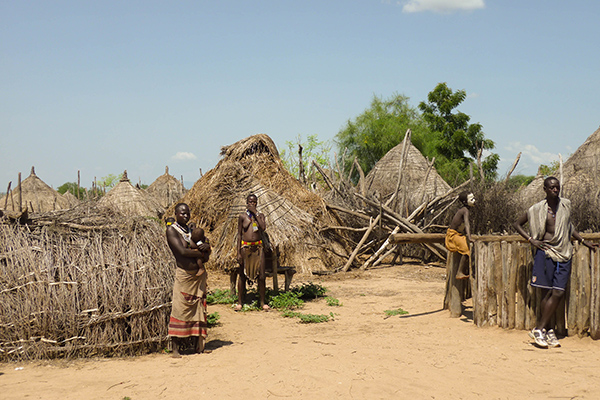
Karo People
The Karo people are an ethnic group who live near the banks of the omo valley. They excel in face and body painting which is practiced in preparation of their dances and ceremonies. Both sexes do it as a way to be more visually appealing and attractive, while looking intimidating to rivals. They use locally found chalk, mineral rock, iron ore and charcoal to decorate their bodies with different types of design. Using white chalk and red ochre, the women create intricate circle, spiral and cross-hatched designs in order to look more beautiful and stand out of the crowd.
The Karo tribe speak the Karo language which is an Omotic language. The Karo language is described as being closely related to its neighbors, Hamer and Banna and is considered a dialect of Hamer.