
About Ethiopia
Ethiopia is a land of incredible history, diverse cultures, and breathtaking landscapes, making it an ideal destination for travelers.
Located in the Horn of Africa, Ethiopia is a rugged, landlocked country bisected by the Great Rift Valley. With archaeological finds dating back more than 3 million years, it is a cradle of ancient civilization. Among its most important sites are Lalibela, famous for its 12th–13th century rock-cut Christian churches, and Axum, the ruins of an ancient city featuring obelisks, tombs, castles, and the Church of Our Lady Mary of Zion.
Ethiopia is the birthplace of humanity and home to unique tribes, ancient civilizations, abundant wildlife, majestic mountains, and stunning landscapes. The country’s vast size—twice that of Texas or the combined areas of France and Spain—means it’s nearly impossible to see all its wonders in one trip. Visiting Ethiopia’s top tourist attractions requires time, but these destinations are highly popular on our itineraries and consistently receive excellent reviews from travelers.
Depending on your interests—whether cultural experiences, hiking, wildlife safaris, or historical exploration—Ethiopia offers unforgettable experiences. We have compiled a list of the best attractions you’ll want to experience in Ethiopia.
Top Tourist Attractions
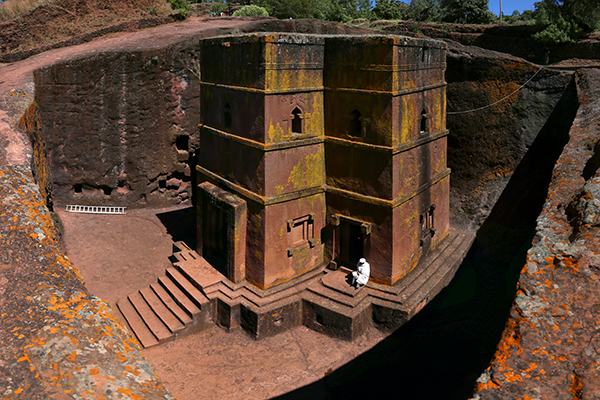
Lalibela
Once the medieval capital of Ethiopia, Lalibela is a UNESCO World Heritage Site in the north. It is the second holiest site of Ethiopian Christianity after Axum and a major pilgrimage destination. Lalibela is renowned for its eleven churches carved entirely from a single rock. It is accessible via a 45-minute flight from Addis Ababa.

Danakil Depression and Erta Ale Volcano
The Erta Ale Volcano is a magical sight, especially when its lava lake glows and bubbles within the crater. The geological activity in the area creates unique landscapes featuring vast salt deserts, lakes, and hot springs with striking yellow, green, and orange mineral deposits. This remote area is a must-see for adventurous travelers.
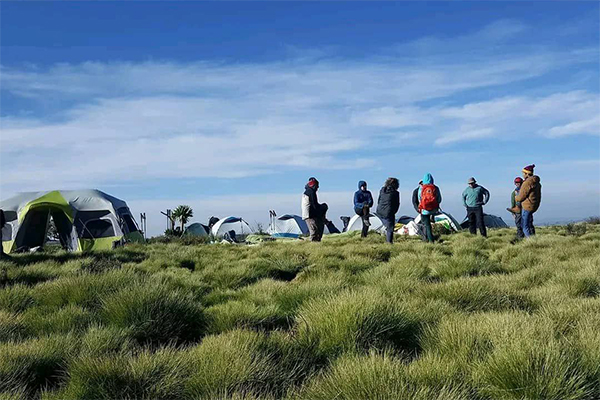
Simen Mountain
Formed by massive erosion over millions of years, the Simien Mountains boast jagged peaks, deep valleys, and sharp precipices plunging up to 1,500 meters. The area features abundant grasslands and serves as a refuge for endemic animals and plants, earning it UNESCO World Natural Heritage status. Simien Mountains National Park is one of Ethiopia’s most visited parks, offering beautiful day trips or multi-day trekking adventures.
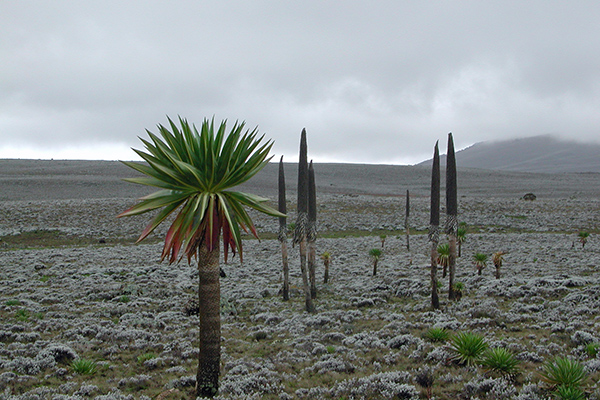
Bale Mountain
Renowned for its biodiversity, Bale Mountains National Park is home to endemic species like the mountain nyala, the rare Ethiopian wolf, and Menelik’s bushbuck, along with a variety of birds. It contains Africa’s largest Afro-alpine habitat. The park covers 2,400 square kilometers (1,488 square miles) and protects spectacular mountain environments, alpine lakes, waterfalls, and deep gorges. The highest road in Africa crosses the Sanetti Plateau here, where sightings of the rare Ethiopian wolf are possible. Bale Mountains can be explored on overnight or multi-day tours.
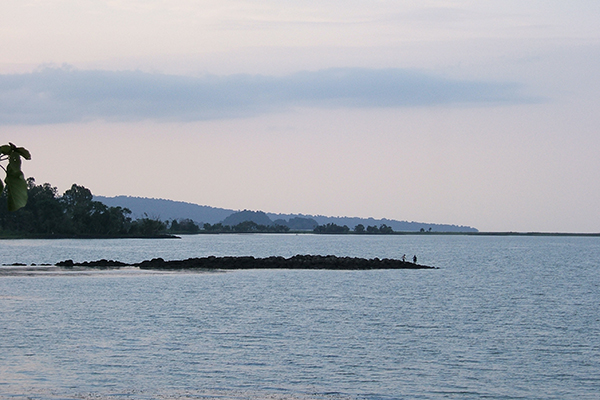
Lake Tana and its Monasteries
Lake Tana, Ethiopia’s largest lake, is the source of the Blue Nile River, which provides about 85% of the Nile’s water. Besides its ecological importance and excellent birdwatching and fishing, the lake is famous for its historic monasteries and churches affiliated with the Ethiopian Orthodox Church. These sites house remarkable treasures and artistic wall paintings, accessible by boat trips from Bahir Dar. Note that some monasteries restrict entry to women.

Omo Valley Tribes
The Lower Omo Valley is home to some of the world’s last isolated tribes, each with unique languages, customs, and ancient cultural practices closely tied to cattle herding. Their social status is reflected in ritual ceremonies, body scarification, beadwork, body painting, hairstyles, and rites of passage. Despite some contact with the outside world, these tribes have preserved much of their traditional lifestyle. Multi-day trips to Omo Valley depart from Addis Ababa.
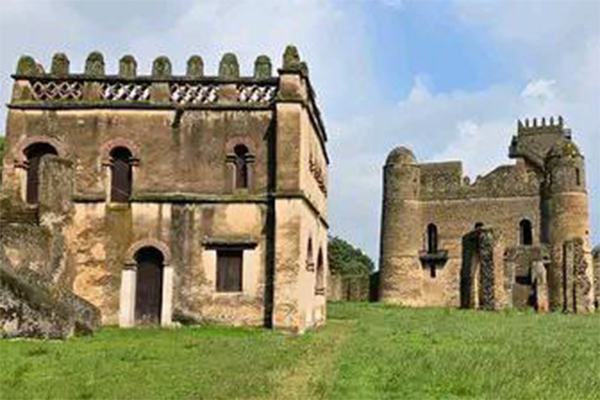
Gondar
Once the capital of the Ethiopian Empire (1632–1855), Gondar is famous for its royal castles and medieval churches within the royal enclosure. Often called the “Camelot of Africa,” these castles are unique in sub-Saharan Africa. Gondar was a major commercial and cultural center, with beautiful church murals reflecting its rich heritage. Gondar’s castles and historical sites can be explored on city tours.
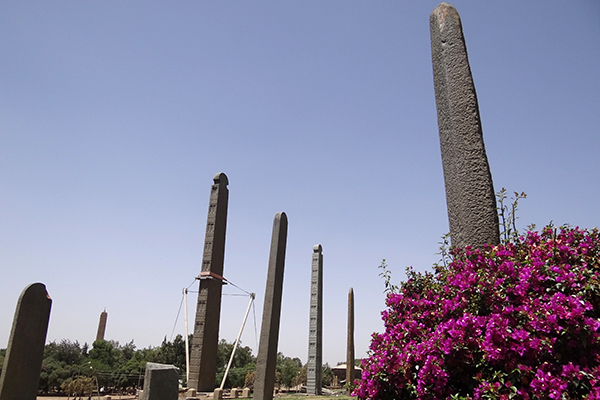
Axum
Axum is an ancient city that was the heart of Ethiopian civilization. It is traditionally regarded as the birthplace of the Queen of Sheba, whose descendants ruled Ethiopia until 1974. Axum was one of the world’s four great ancient kingdoms. Visitors can explore the impressive stele fields (obelisk sites), the Queen of Sheba’s Bath, museums, and royal tombs. The Church of Our Lady Mary of Zion in Axum is believed to house the original Ark of the Covenant, the holiest item in the Bible. All these attractions can be visited on a city tour of Axum.
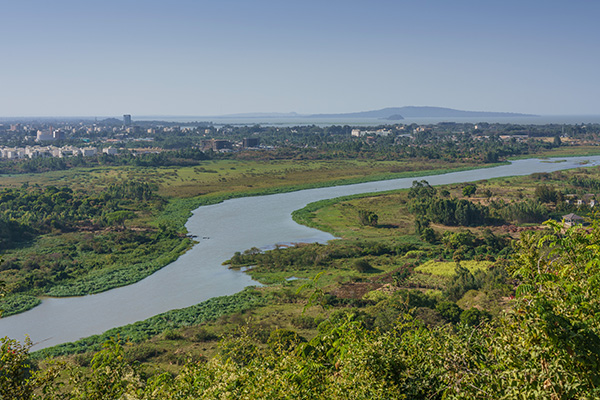
Bahirdar
Located on the shores of Lake Tana and at the source of the Blue Nile, Bahir Dar is known for its scenic beauty and rich cultural heritage. It serves as the political capital of the Amhara region. From Bahir Dar, travelers can take boat trips to visit the monasteries on Lake Tana’s islands. The city’s tree-lined boulevards offer pleasant walks with refreshing lake breezes. Only 30 km from Bahir Dar lies the spectacular Blue Nile Falls, where the river plunges into deep gorges on its journey to Egypt. One day is sufficient to explore Bahir Dar and its surroundings.